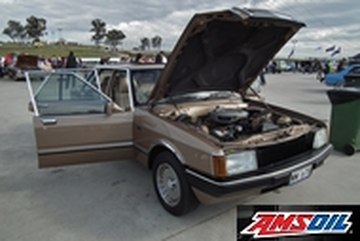
Maintaining Lubrication Standards for the 1981 Ford LTD 4.2L
Proper engine maintenance is a cornerstone of long-term vehicle health, particularly for an engine like the 4.2L found in the 1981 Ford LTD. While modern vehicles often feature automated monitoring systems, older engines require more hands-on attention to ensure that lubrication remains effective and that potential issues are identified before they escalate into mechanical failures.Monitoring Fluid Integrity and Condition
One of the most effective ways to monitor the health of a 4.2L engine is through regular observation of the lubricant itself. The condition of the oil can provide significant clues regarding the internal state of the engine. When performing routine checks, pay close attention to the color and consistency of the fluid. If the oil appears excessively dark or contains visible particulate matter, it may indicate that the lubricant has reached the end of its effective service life or that the filtration process is not keeping up with engine debris. Furthermore, any unusual odor emanating from the oil—such as a sharp smell of fuel—can be associated with various combustion or system issues that warrant further investigation. Beyond color and smell, checking for changes in fluid level is essential. While some consumption is expected in many engines over time, significant or rapid changes in the amount of oil present should be investigated. If you notice evidence of seepage around the engine block or near sealing surfaces, it is important to address these areas to prevent further loss of lubrication.Systematic Inspection of Engine Components
A proactive approach to maintenance involves looking beyond just the oil itself and examining the components that support a healthy operating environment. For an engine from this era, periodic visual inspections can help identify aging materials before they fail.- Seals and Gaskets: Inspect various gaskets and seals for signs of age-related seepage or leakage. Maintaining the integrity of these components is vital to ensuring the engine retains its lubricant and remains clean.
- Cooling System Components: If equipped, inspect visible hoses for signs of cracking, softening, or bulging. A well-functioning cooling system works in tandem with proper lubrication to manage the thermal loads placed on the engine.
- Drive Belts: If the vehicle is equipped with accessible drive belts, check them for signs of deterioration such as glazing, fraying, or surface cracking.
- Electrical Connections: Ensure that wiring and electrical connectors related to engine sensors or monitoring systems are secure and free from significant corrosion.
Managing Maintenance Records for Long-Term Ownership
For owners of a 1981 Ford LTD, maintaining a detailed service history is one of the most valuable tools for effective ownership. Because this vehicle has been in operation for several decades, having a documented timeline of past repairs, fluid changes, and component replacements allows you to make more informed decisions about future service. If you have recently acquired the vehicle and do not have access to previous records, your first priority should be establishing a maintenance baseline. This involves performing a thorough inspection of all fluids and major components to determine their current condition. Once this baseline is set, you can begin tracking subsequent services, which helps in distinguishing between routine wear and unexpected changes in engine behavior. Keeping a log of when specific lubricants were used and which filters were installed can also be helpful when troubleshooting unusual symptoms or when planning for future maintenance tasks. This organized approach moves maintenance from a reactive process to a proactive one.Identifying Potential Warning Signs
It is important to distinguish between normal operating characteristics and symptoms that require professional attention. Many mechanical issues do not present themselves suddenly but rather through subtle changes in how the vehicle operates. If you notice unusual mechanical noises during startup or while the engine is idling, this can be associated with various lubrication or mechanical conditions. Similarly, if you observe any change in exhaust characteristics—such as smoke that appears different than usual—it warrants a closer look at the engine's internal state and lubrication levels. Warning lights on the dashboard should never be ignored. An oil-related indicator is a critical signal that requires immediate investigation to prevent potential damage. Always remember that symptoms can have multiple underlying causes; therefore, seeing a single sign does not automatically point to one specific failed component, but it does serve as a prompt to investigate further.Prioritizing Service Based on Current Condition
As vehicles age, the strategy for maintenance often shifts from strictly following a calendar-based schedule to a condition-based approach. Rather than replacing parts simply because of the vehicle's age, focus on the actual state of the components. If you observe active leaks or notice that the engine is consuming more lubricant than previously recorded, these should be addressed as high priorities. Addressing small seeps or minor consumption issues early can prevent larger, more expensive repairs later. Additionally, if your maintenance records show a gap in service, prioritizing a complete fluid and filter refresh is a logical first step in stabilizing the engine's operating environment. By focusing on the most pressing needs identified through inspection and monitoring, you can manage the maintenance of the 4.2L engine more efficiently and effectively.Practical Guidance for Buying Engine Oil for the 1981 Ford LTD 4.2L
When it is time to replenish your engine's lubricant, the most important step is to ensure that the product you select matches the specific requirements of your application. Do not rely on general automotive knowledge or assumptions based on the age of the vehicle to determine which oil to use. Instead, match the engine oil to the application-specific viscosity information already displayed on this page. When you are ready to purchase, carefully check the product labels to verify that the SAE viscosity and any other relevant specifications align with the data provided for your 1981 Ford LTD 4.2L. You may choose between different formulations depending on your specific needs:- Conventional Oils: A standard option for many applications.
- Synthetic Blends: These combine synthetic and conventional oils to offer different performance characteristics.
- Full Synthetic Oils: Often used for improved thermal stability and cleaner operation.
- High-Mileage Formulations: Some high-mileage oil formulations contain additives intended for use in aging engines, including seal-conditioning additives.